
This Wallpaper is ranked 40 by BING for keyword Ortanique Dining Room Set, You will find it result at BING.
Wallpaper Details FOR Chairs / Benches Ortanique Upholstered Arm Chair Ashley Furniture's Wallpaper| TITLE: | Chairs / Benches Ortanique Upholstered Arm Chair Ashley Furniture |
| IMAGE URL: | http://media-cache-ec0.pinimg.com/736x/48/bd/6c/48bd6c581ffa4736a66a15b4051ce290.jpg |
| THUMBNAIL: | https://tse1.mm.bing.net/th?id=OIP.ZOGixdXiGZtwR89L--rx6ADSC0&pid=Api&w=210&h=181 |
| IMAGE SIZE: | 4418 B Bs |
| IMAGE WIDTH: | 210 |
| IMAGE HEIGHT: | 180 |
| DOCUMENT ID: | OIP.ZOGixdXiGZtwR89L--rx6ADSC0 |
| MEDIA ID: | DE6DDF9103274E17D09E58A866DE759928E42F4D |
| SOURCE DOMAIN: | pinterest.com |
| SOURCE URL: | http://pinterest.com/pin/169729479680559712/ |
| THUMBNAIL WIDTH: | 210 |
| THUMBNAIL HEIGHT: | 181 |
Related Images with Chairs / Benches Ortanique Upholstered Arm Chair Ashley Furniture
Ortanique Dining Room Set furthermore The Parkington Bay Living Room

Reclaimed Wood Trestle Table additionally Ortanique Dining Room Set

Buy Online Direct Ortanique Dining Room Server Buy Online Direct

Ortanique Collection Related Keywords amp; Suggestions Ortanique
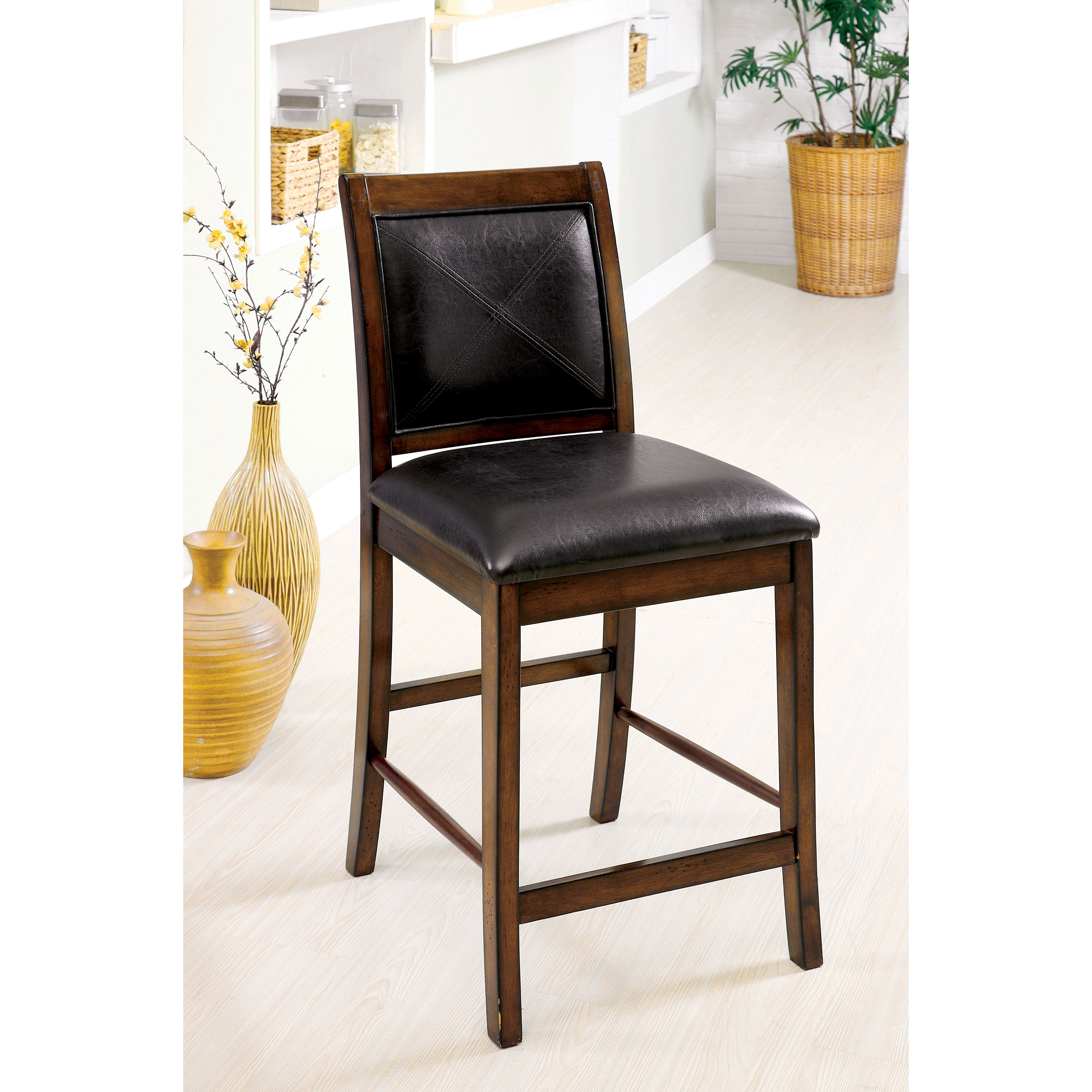
A dining room is a room for spending meat. In modern times you typically adjacent to the kitchen for convenience in serving, although in medieval days it was often on an entirely different floor degree. Historically the dining room is furnished with a rather large dining table and a number of dining chairs; the more common shape is generally rectangular with two armed intent chairs and an even number of un-armed back chairs along the long backs .
History
In the Middle Ages, upper class Britons and other European nobility in castles or large-scale manor house dined in the great dormitory. This was a large multi-function chamber capable of room the bulk of the population of the house. The family would sit at the head table on a raised dais, with the rest of specific populations arrayed in order of lessening grade away from them. Tables in the great vestibule would tend to be long trestle tables with benches. The sheer number of people in a Great Hall mean it would probably have had a busy, bustling atmosphere. Suggests that it would also have been quite smelly and smoky are probably, by the standards of the time, unfounded. These rooms had big chimneys and high-pitched ceilings and there would have been a free pour of air through the several door and window openings .
It is true that the owners of such belongings began to develop a savor for most intimate meets in smaller' parlers' or' privee parlers' off the main hall but this is thought to be due as much to political and social changes as to the greater comfort is guaranteed by such chambers. In the first instance, the Black Death that ravaged Europe in the 14 th Century induced a shortage of labour and this had led to a outage in the feudal system. Likewise the religion persecutions following the dissolution of the monasteries under Henry VIII stimulated it unwise to talk freely in front of large volumes of people .
Over time, the grandeur took more of their banquets in the parlor, and the parlor became, functionally, a dining room( or was split into two detached chambers ). It likewise moved farther from the Great Hall, often accessed via grand ceremonial staircases from the dais in the Great Hall. Eventually dining in the Great Hall became something that was done mainly on special moments .
Toward the beginning of the 18 th Century, a pattern emerged where the dames of the members of this house would recede after dinner from the dining room to the drawing room. The gentlemen would remain in the dining room having boozes. The dining room tends to take on a more masculine tenor as a result .
Comments
Post a Comment