
This Wallpaper was ranked 34 by BING for KEYWORD Antique Dining Room Furniture 1920, You will find it result at BING.COM.
Picture Details FOR Antique Art Deco Walnut Dining Table and Six Chairs, circa 1920 image 's Picture| TITLE: | Antique Art Deco Walnut Dining Table and Six Chairs, circa 1920 image |
| IMAGE URL: | https://shard3.1stdibs.us.com/archivesE/upload/9506/40_14/a0/a_l.jpeg |
| THUMBNAIL: | https://tse4.mm.bing.net/th?id=OIP.aWhVODO3a23YTldjG5cTggEsDz&pid=Api&w=222&h=181 |
| IMAGE SIZE: | 74551 B Bs |
| IMAGE WIDTH: | 768 |
| IMAGE HEIGHT: | 624 |
| DOCUMENT ID: | OIP.aWhVODO3a23YTldjG5cTggEsDz |
| MEDIA ID: | 255924F3B818BC91C338D7314B47BD57B91264A4 |
| SOURCE DOMAIN: | 1stdibs.com |
| SOURCE URL: | https://www.1stdibs.com/furniture/seating/living-room-sets/antique-art-deco-walnut-dining-table-six-chairs-circa-1920/id-f_1297742/ |
| THUMBNAIL WIDTH: | 222 |
| THUMBNAIL HEIGHT: | 181 |
Related Images with Antique Art Deco Walnut Dining Table and Six Chairs, circa 1920 image
Antique Walnut 192039;s Dining Room Table at 1stdibs

Set of 6 Vintage Gustavian Dining Chairs, circa 1920 at 1stdibs

Antique Walnut and Ormolu Dining Table and 10 chairs c.1920 at 1stdibs

Set of Eight Antique Oak Windsor Chairs 1920 Kitchen Dining Chair For
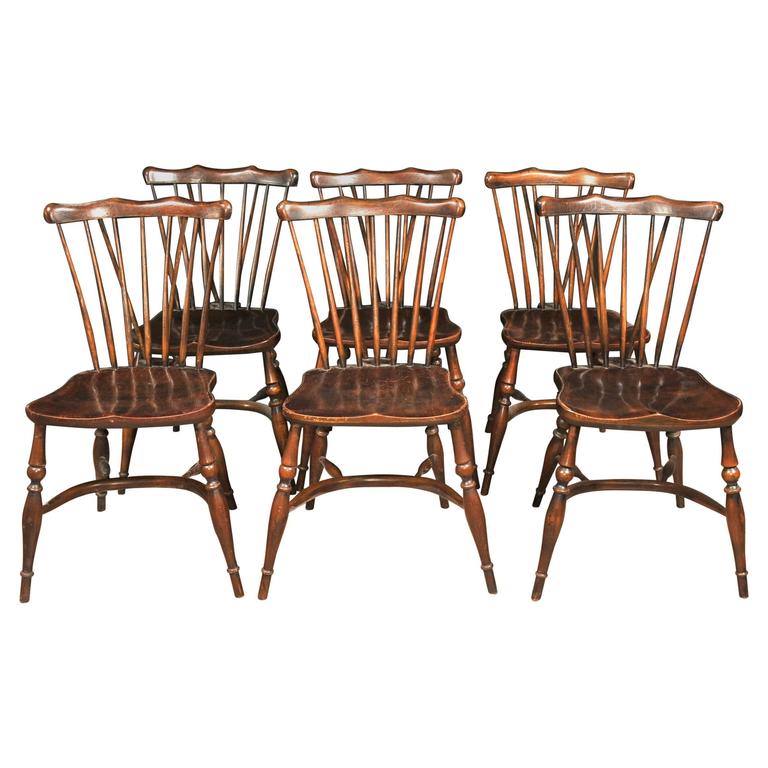
A dining room is a room for devouring meat. In modern times you typically adjacent to the kitchen for convenience in providing, although in medieval periods it was often on an entirely different floor grade. Historically the dining room is furnished with a rather large dining table and a number of dining chairs; the more common shape is generally rectangular with two armed terminate chairs and an even number of un-armed back chairs along the long sides .
History
In the Middle Ages, upper class Britons and other European grandeur in palaces or huge manor house dined in the great dormitory. This was a large multi-function chamber capable of seating the bulk of the population of the house. The household would sit at the head table on a raised dais, with the rest of the population arrayed in order of decreasing rank away from them. Tables in the great dorm would tend to be long trestle tables with benches. The sheer number of people in a Great Hall entail it would probably have had a busy, bustling atmosphere. Suggestions that it would also have been quite smelly and smoky are probably, by the standards of the time, unfounded. These chambers had big chimneys and high-pitched ceilings and there would have been a free pour of breath through the several door and window openings .
It is true that the owners of such properties began to develop a penchant for more intimate gleans in smaller' parlers' or' privee parlers' off the primary hall but this is thought to be due as much to political and social changes as to the greater solace afforded by such chambers. In the first instance, the Black Death that ravaged Europe in the 14 th Century caused a shortage of labor and this had led to a outage in the feudal system. Likewise the religious abuses after the dissolution of the convents under Henry VIII stimulated it unwise to talk freely in front of large numbers of people .
Over time, the grandeur took more of their banquets in the parlor, and the parlour became, functionally, a dining room( or was split into two detached chambers ). It likewise migrated farther from the Great Hall, often accessed via grand ceremonial staircases from the dais in the Great Hall. Eventually dining in the Great Hall became something that was done primarily on special moments .
Toward the beginning of the 18 th Century, a pattern emerged where the madams of the house would withdraw after dinner from the dining room to the drawing room. The gentlemen would remain in the dining room having guzzles. The dining room tended to take on a more masculine tenor as a result .
Comments
Post a Comment