
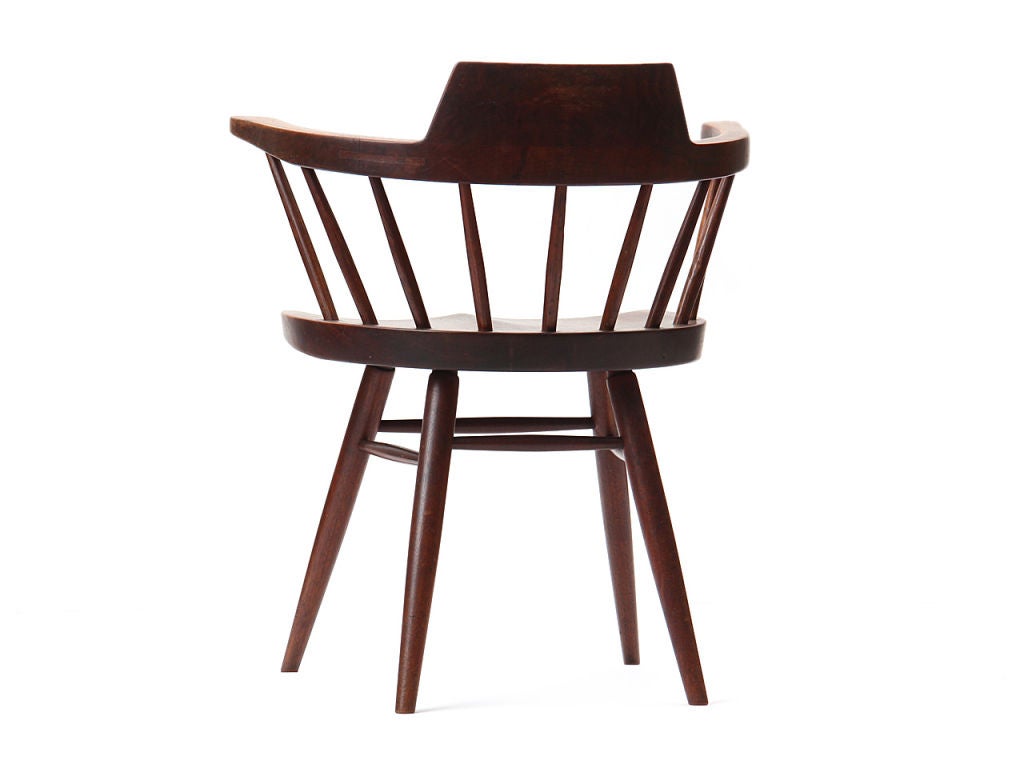
This Picture is rated 37 by Bing.com for KEYWORD Captain Chairs For Dining Room, You will find it result at BING.COM.
Wallpaper Details FOR Painted Dining Room Chairs: Before and After's Picture| TITLE: | Painted Dining Room Chairs: Before and After |
| IMAGE URL: | http://charlieandjo.files.wordpress.com/2011/11/img_3197.jpg |
| THUMBNAIL: | https://tse1.mm.bing.net/th?id=OIP.KkTNiYqqJV80ACc1NA_k_ADIEs&pid=Api&w=120&h=181 |
| IMAGE SIZE: | 4437174 B Bs |
| IMAGE WIDTH: | 2848 |
| IMAGE HEIGHT: | 4272 |
| DOCUMENT ID: | OIP.KkTNiYqqJV80ACc1NA_k_ADIEs |
| MEDIA ID: | BB3F7B362D16E6771C2D53BEC9E7F73D321341BB |
| SOURCE DOMAIN: | charlieandjo.wordpress.com |
| SOURCE URL: | http://charlieandjo.wordpress.com/category/before-and-after/ |
| THUMBNAIL WIDTH: | 120 |
| THUMBNAIL HEIGHT: | 181 |
Related Images with Painted Dining Room Chairs: Before and After
Home gt; Furniture gt; Seating gt; Dining Room Chairs
Dining Rooms

Rustic Red Cedar Log DINING ROOM CAPTAIN39;S CHAIRS SET OF 2 Amish

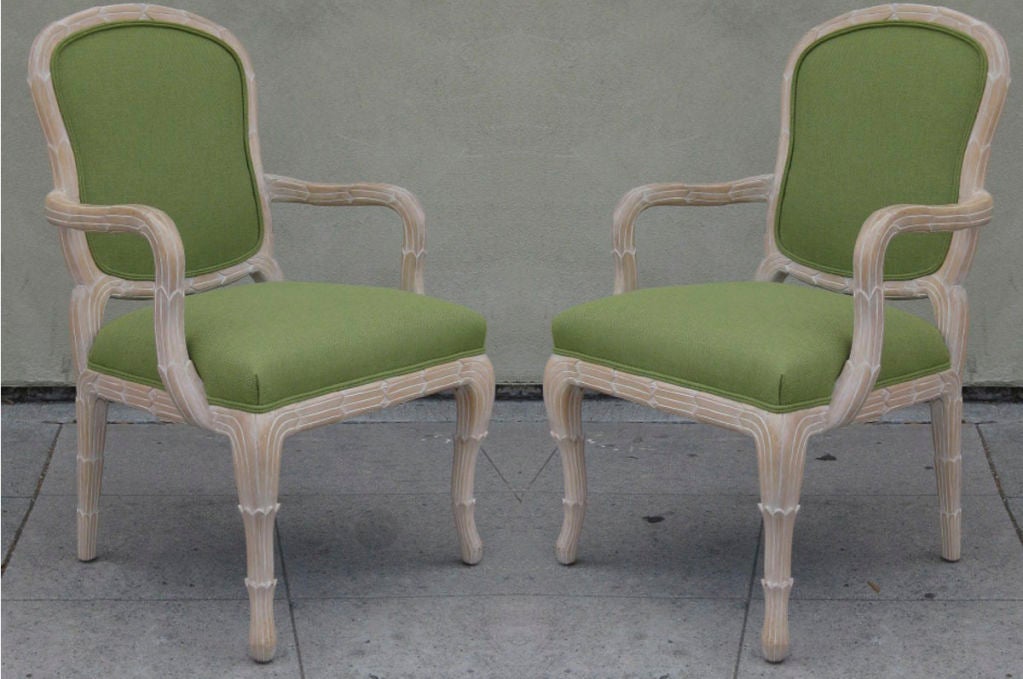
Set of 4 Dining and 2 Captain Chairs in the Louis XV Style For Sale
A dining room is a room for expending meat. In modern times it is usually adjacent to the kitchen for convenience in providing, although in medieval days it was often on an entirely different floor tier. Historically the dining room is furnished with a rather large dining table and a number of dining chairs; the more common shape is generally rectangular with two armed goal chairs and an even number of un-armed back chairs along the long backs .
History
In the Middle Ages, upper class Britons and other European aristocracy in castles or big manor houses dined in the largest foyer. This was a large multi-function chamber capable of seating the bulk of the population of the house. The household would sit at the head table on a created dais, with the rest of specific populations arrayed in order of lessening rank away from them. Tables in the largest vestibule would tend to be long trestle tables with terraces. The sheer number of people in a Great Hall intended it would probably have had a busy, bustling atmosphere. Suggests that it would also have been quite smelly and smoky are likely, by the standards of the time, unfounded. These chambers had huge chimneys and high-pitched ceilings and there would have been a free flow of air through the numerous entrance and window openings .
It is true that the owners of such properties began to develop a taste for most intimate gatherings in smaller' parlers' or' privee parlers' off the main hall but this is thought to be due just as much to political and social changes as to the greater convenience is guaranteed by such rooms. In the first instance, the Black Death that ruined Europe in the 14 th Century caused a shortage of labour and this had led to a outage in the feudal system. Also the religious mistreatments after the dissolution of the monasteries under Henry VIII made it unwise to talk freely in front of large volumes of people .
Over time, the grandeur took more of their snacks in the parlour, and the parlor became, functionally, a dining room( or was split into two detached rooms ). It likewise migrated farther from the Great Hall, often accessed via grand ceremonial staircases from the dais in the Great Hall. Eventually dining in the Great Hall became something that was done mainly on special occasions .
Toward the beginning of the 18 th Century, a pattern emerged where the dames of the house would withdraw after dinner from the dining room to the drawing room. The gentlemen would remain in the dining room having drinks. The dining room tends to take on a more masculine tenor as a result .
Comments
Post a Comment